- D2C success is built on systems, positioning, and customer experience—not just products
- Shopify provides powerful foundations for scaling D2C brands
- Brand positioning and customer experience are critical differentiators
- Data-driven decisions and proper analytics setup are essential for growth
Most people think launching a D2C brand is about picking a product and running ads.
That's why most stores fail.
The truth? Winning D2C brands are not built on products. They're built on systems, positioning, and customer experience.
And if you're using Shopify, you already have one of the most powerful foundations to scale if you use it right.
Let's break down how to build a high-performing D2C Shopify store in today's competitive market.
What Is a D2C Shopify Store?
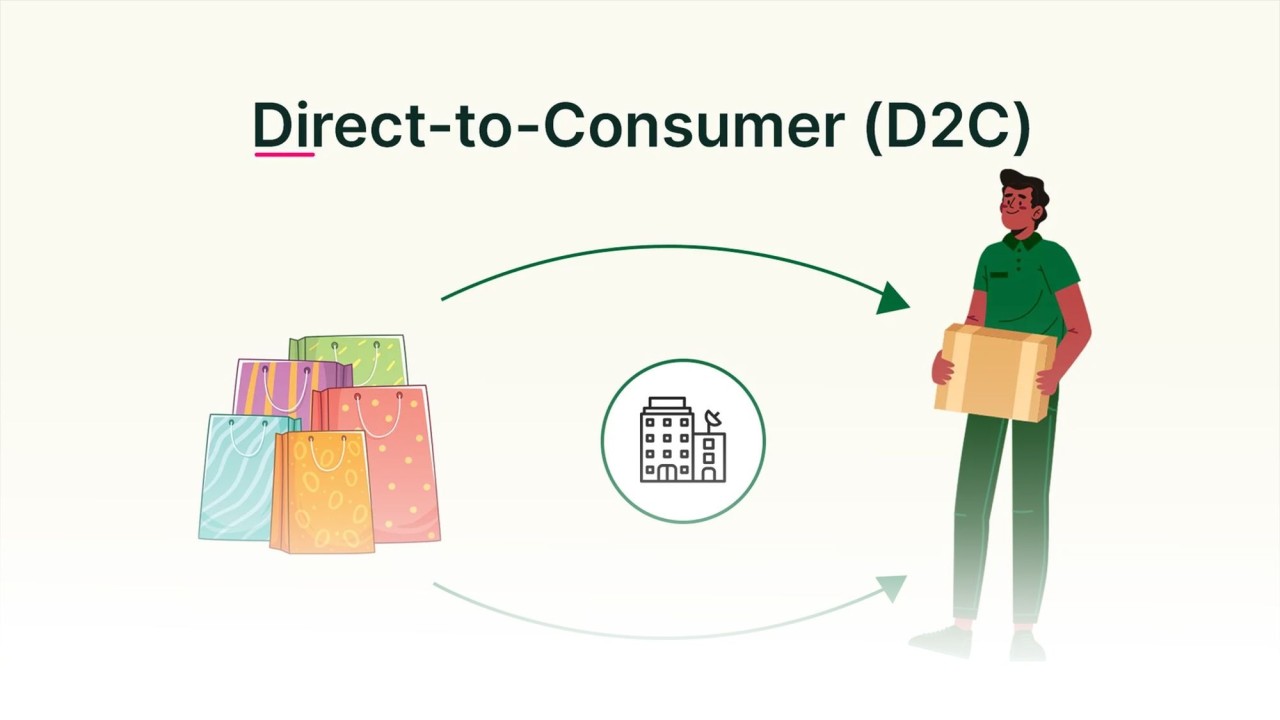
A Direct-to-Consumer (D2C) Shopify store is a business model in which brands sell directly to customers without intermediaries such as marketplaces or retailers.
Instead of relying on Amazon or distributors, you:
- Own the customer relationship
- Control branding and experience
- Capture full profit margins
- Build long-term brand equity
Shopify makes this model scalable with:
- Custom storefronts
- Payment integrations
- App ecosystem
- Global selling capabilities
Why D2C Is Exploding Right Now
Consumer behaviour has changed.
People don't just buy products, they buy brands, stories, and experiences.
D2C brands are winning because they:
- Build emotional connection
- Deliver personalized experiences
- Control their marketing funnel
- Use data to optimise growth
According to industry insights, D2C brands often achieve higher customer lifetime value (LTV) compared to traditional retail models.
The 5 Pillars of a High-Converting D2C Shopify Store
1. Brand Positioning (Your Real Advantage)
Before building your store, answer:
- Who is your ideal customer?
- What problem are you solving?
- Why should they choose YOU?
Strong D2C brands don't sell products.
They sell identity.
2. Conversion-Focused Store Design
Your Shopify store must be built for sales, not just looks.
Key elements:
- Fast loading speed (< 2.5 seconds)
- Clear product pages
- Trust badges & social proof
- Mobile-first design
- Simple checkout flow
A 1-second delay can reduce conversions significantly.
3. Product Page Optimisation
Your product page is your salesperson.
Include:
- High-quality images/videos
- Benefit-driven copy
- Customer reviews
- FAQs
- Urgency elements (limited stock, offers)
Focus on why the product matters, not just features.
4. Traffic & Customer Acquisition
Top channels for D2C growth:
- Meta Ads (Facebook & Instagram)
- Google Ads
- Influencer marketing
- SEO content strategy
- Email & SMS marketing
Winning brands combine paid + organic.
5. Retention & LTV Growth
Most profits come after the first purchase.
Focus on:
- Email automation (welcome, abandoned cart, upsell)
- Loyalty programs
- Subscription models
- Personalized offers
Retention = scalable profitability.
Real Example: From Zero to Scalable Brand
A small skincare brand launched on Shopify with:
- Clear niche (acne-prone skin)
- Strong storytelling
- Influencer collaborations
They focused on:
- UGC content
- Fast-loading product pages
- Email flows
Within 6 months:
- 3x conversion rate increase
- 40% repeat customers
- Stable monthly revenue growth
The difference wasn't the product.
It was the system.
What Most D2C Stores Get Wrong
- Weak Branding — Generic stores don't build trust.
- Overcomplicated Design — Too many elements reduce clarity.
- No Retention Strategy — They chase new customers instead of maximising existing ones.
- Poor Product Positioning — Competing on price instead of value.
- Ignoring Data — Successful brands track and optimise everything.
Must-Have Shopify Apps for D2C Growth
- Review apps (social proof)
- Email automation tools
- Upsell & cross-sell apps
- Page builders
- Analytics tools
But remember:
Apps don't build brands. Strategy does.
Advanced Strategy: Building a D2C Ecosystem
Top brands go beyond selling products.
They build ecosystems:
- Content (blogs, reels, videos)
- Community (loyal customers, ambassadors)
- Experience (packaging, unboxing, support)
- Personalisation (AI-driven recommendations)
This creates a competitive moat.
Key Metrics You Must Track
- Conversion Rate (CR)
- Customer Acquisition Cost (CAC)
- Lifetime Value (LTV)
- Average Order Value (AOV)
- Return on Ad Spend (ROAS)
Data-driven brands win faster.
Key Takeaways
- D2C Shopify stores give full control over brand and revenue.
- Strong positioning beats product selection.
- Conversion optimisation is critical.
- Retention drives long-term profit.
- Paid + organic marketing creates stability.
- Ecosystem thinking builds defensibility.
Final Thoughts
Building a successful D2C Shopify store isn't about launching quickly.
It's about building correctly.
Anyone can create a store.
But very few build brands that scale.
The next wave of winning D2C brands will be:
- Customer-obsessed
- Data-driven
- Experience-focused
So ask yourself:
Are you just launching a store or building a brand that lasts?
If this helped you, share your biggest challenge in building a D2C brand and let's break it down.